The source, a transcript from a YouTube video, outlines the key differences between music distribution and music publishing administration. Music distributors are responsible for placing music in retail stores and digital platforms like Spotify, collecting payments from sales or streams of the sound recording (the master), and then paying the artist or label after taking a fee. Conversely, music publishing administrators manage the rights of songwriters by registering songs with performing rights and mechanical rights organizations, handling licensing, and collecting the publishing royalties for the composition, though they do not own any rights to the songs. The video also details various companies that offer these services, such as CD Baby and Tunecore, and provides advice on the necessity of registering songs with the Library of Congress and signing with a performing rights organization (PRO) even when using an administrator.
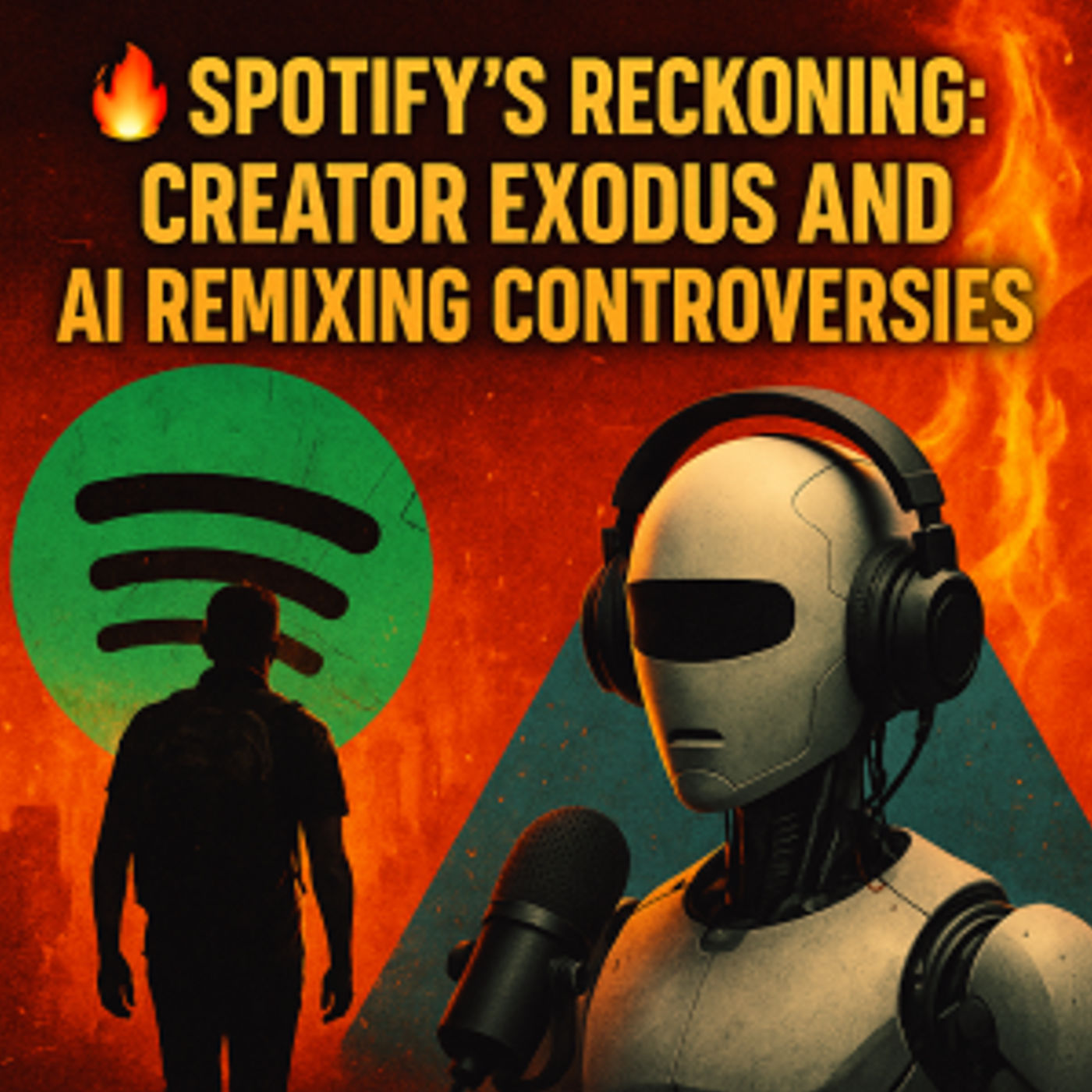
The provided text, a transcript from a YouTube video by "Top Music Attorney," discusses the potential decline of Spotify due to several controversial decisions...

The provided text explores the nuanced phenomenon of the industry plant, categorizing artists into five distinct levels of commercial backing and artificial development. It...

Kendrick Lamar dominated the 2025 BET Awards, taking home top honors and reminding the world why he's one of the greatest voices of our...
